
New Hearing Protection Options for Concertgoers
A summer show at the Fredericksburg Fairgrounds or a packed night near
By: admin | September 21, 2026
A summer show at the Fredericksburg Fairgrounds or a packed night near Riverside Center puts you close to the speakers. You feel the bass before you even hear the melody. That kind of night is part of the fun, but your ears are taking in a lot more than a normal conversation ever would.
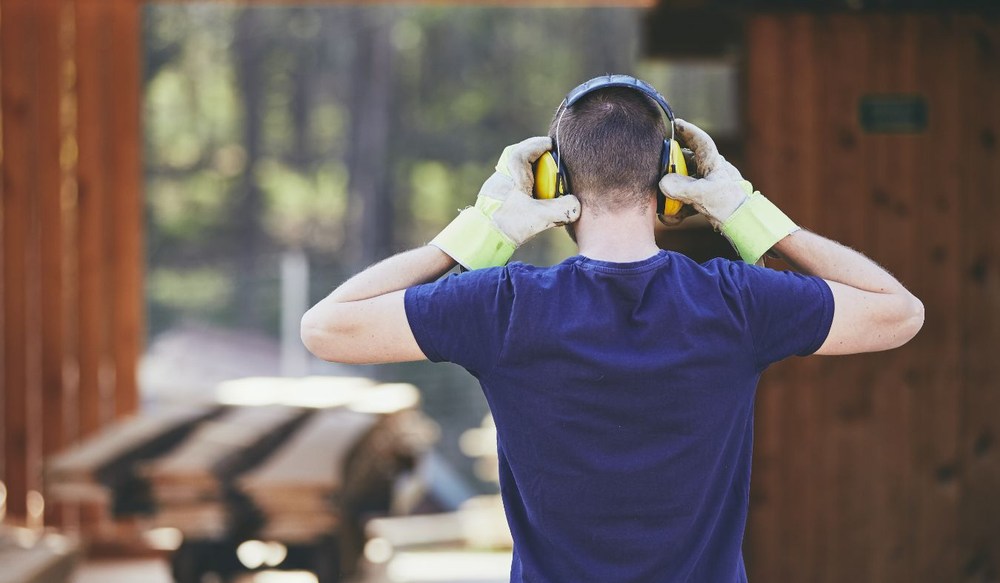
A lot of people still picture hearing protection as the bulky foam plugs from a construction site, the kind that muffle everything and make music sound flat. That image keeps a lot of concertgoers from wearing anything at all.
The options have actually changed a lot in the last few years. High-fidelity earplugs now bring the volume down evenly across frequencies, so the music still sounds full instead of muddy.
Some are reusable and small enough to carry in a pocket, and a few are custom-molded to fit your ear exactly. You don’t have to give up the experience of a loud show to protect your hearing. You just skip the awkward move of jamming your fingers in your ears every time the bass hits.
Live music is supposed to feel big. You want to hear the drums, feel the bass and get the full energy of the room. The problem is that concert sound levels often climb high enough to stress your ears long before the show is over.
Around 85 decibels, your ears can usually handle sound for much longer stretches. Many concerts sit around 100 decibels or more, especially near large speakers. Once the volume reaches that range, the amount of time your ears can safely handle it drops fast.
Inside the cochlea, tiny hair cells bend in response to sound and help send signals to your brain. At normal volume, they handle that job without much trouble. At concert volume, those cells are dealing with stronger vibrations for a longer stretch, which can leave them overstressed or damaged.
That is why ringing, muffled hearing or a plugged-up feeling after a show is worth paying attention to. Those symptoms are a sign that your ears took on more sound than they could comfortably handle.
Your ears usually let you know when a show was too loud. You might walk outside and notice that everything suddenly sounds muffled, or hear ringing that was not there before. Those changes are easy to brush off when everyone around you is experiencing the same thing.
Watch for signs such as:
Foam earplugs are inexpensive, easy to find and useful when your main priority is reducing noise. The downside for concertgoers is that they do not always lower every frequency equally. Higher notes often get dulled more than lower ones, which can make vocals and instruments sound muddy.
That is also why people sometimes loosen their earplugs halfway through a show. The music sounds better, but pulling a foam plug partly out breaks the seal that was providing the protection in the first place. You end up right back around the volume you were trying to avoid.
Foam plugs still have their place, especially when they are inserted correctly. If hearing the detail in the music matters to you, though, there are options designed specifically with live performances in mind.
High-fidelity earplugs are made for people who want to turn the volume down without making the band sound like it is playing behind a wall. Instead of simply blocking as much sound as possible, acoustic filters reduce sound more evenly across different pitches.
That means vocals remain easier to understand and instruments keep more of their natural balance. You are still hearing the performance, just at a lower overall level. For someone who regularly goes to concerts, that difference makes hearing protection much easier to stick with for an entire show.
Many filtered earplugs are also reusable and made from softer materials than basic foam. They are available in several styles and levels of sound reduction, so you can choose protection that makes sense for the kinds of events you attend.
Anyone who spends a lot of summer evenings listening to live music knows that comfort becomes important after the first hour or two. Heat, humidity and movement can make generic earplugs loosen, especially during outdoor concerts around Fredericksburg and the Rappahannock.
Custom earplugs are made from impressions of your own ears, so the fit is specific to you. That helps them stay put when you are walking around, dancing or sweating through a long outdoor performance. A secure fit also means you are less likely to keep adjusting them during the show.
They can be fitted with filters designed for music, so you get the sound-preserving benefits of high-fidelity protection along with a more personalized fit. For frequent concertgoers, that combination can make wearing ear protection feel much less like something you have to tolerate.
The right ear protection depends a lot on how often you actually go to shows. If you catch one or two concerts a year, basic foam earplugs might be all you need. They are inexpensive, easy to carry and still offer useful protection when they are inserted correctly.
If live music is a regular part of your calendar, reusable filtered earplugs often make more sense. They tend to be more comfortable for longer wear and do a better job of keeping music from sounding flat or muffled.
Some options also come with interchangeable filters, giving you different levels of sound reduction for different venues.
Frequent concertgoers might eventually decide custom protection is worth it. The more often you are around loud music, the more important comfort, fit and consistent protection become. The best option is usually the one you will actually wear from the opening act through the encore.
Earplug packaging usually includes a Noise Reduction Rating, or NRR. That number gives you a way to compare products, but it does not mean you can simply subtract it from the concert volume and know exactly what reaches your ears.
NRR testing happens under controlled conditions with the protection fitted properly. A real concert is different. Ear shapes vary, plugs loosen as you move and even a small gap can let much more sound through than you expect.
So a higher rating usually means more protection on paper, but fit still matters just as much as that number. A well-fitted earplug rated a bit lower can actually protect you better than a stronger one that keeps slipping out.
It also helps to remember that the point is not to make the concert quiet. You are trying to take the edge off a sound level that might be around 100 decibels or higher while still hearing the music clearly.
Good earplugs only help when they are actually in your ears and fitted correctly. Putting them in before the music gets loud is easier than waiting until your ears are already ringing halfway through the set.
A few habits help throughout the night:
Sometimes the problem is not remembering to wear earplugs. It is finding a pair you can stand wearing for three hours. Standard foam or silicone plugs can press in the wrong spot, slowly work their way loose or never feel secure in the first place.
That becomes more important if you leave concerts with ringing or muffled hearing even though you wore protection. A poor seal can let much more sound through than you realize, especially if you spend the show adjusting the plugs or pulling them out because they hurt.
A hearing specialist can check how your current protection fits and talk with you about custom options if needed. Custom earplugs are shaped for your ears and can use filters designed specifically for music.
For someone who goes to shows regularly, a better fit can make it much easier to keep protection in for the entire performance.
If loud shows are a regular part of your summer, it might be time to upgrade past the foam plugs sitting in your junk drawer. The Hearing Aid Place can walk you through the newer options and help you find something that actually fits your ear and your budget.
Protecting your hearing doesn’t mean sacrificing the sound quality you came for. Give us a call at (540) 322-1540 and let’s find something that works for your next show.
Tags: hearing loss prevention tips, hearing protection products
A summer show at the Fredericksburg Fairgrounds or a packed night near
By: admin | September 21, 2026

Hearing aids do a lot, but they work with what they’re given. A
By: admin | April 22, 2026
Static electricity isn’t something most people think about until
By: admin | February 20, 2026